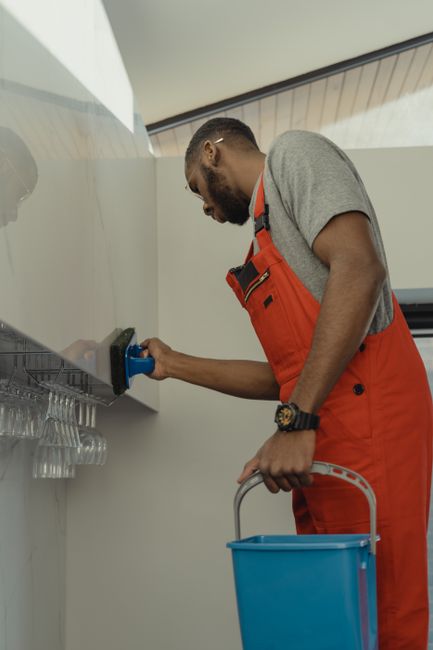
Behind the scenes of a professional deep cleaning job
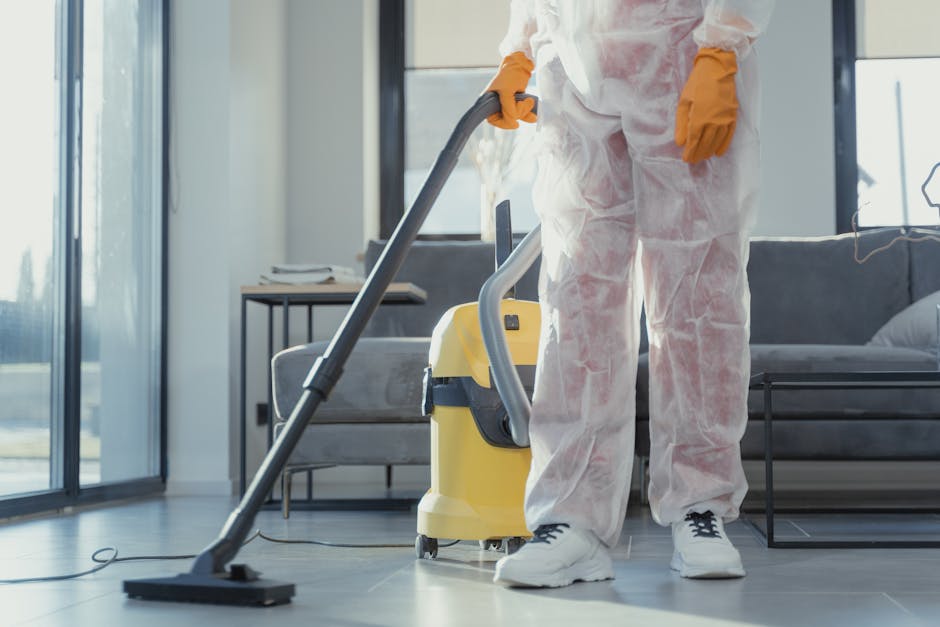
If you have ever looked at a freshly deep-cleaned room and thought, how on earth did they get it like that?, you are not alone. Behind the scenes of a professional deep cleaning job is a lot more than buckets, sprays, and a quick once-over. It is planning, sequence, technique, safety, and a surprising amount of detail that most people never see. Truth be told, that hidden preparation is often what separates an average clean from a proper deep clean that feels genuinely reset.
This guide walks you through what actually happens before, during, and after a professional deep cleaning visit. You will see how a team works, why the order matters, what tools tend to be used, where mistakes creep in, and how to judge whether you are getting real value. If you are comparing services, planning a one-off refresh, or simply curious about the process, this should leave you feeling much more informed.
And yes, there is a lot going on behind a closed door. More than most people expect, to be fair.
- Why the process matters
- How a professional deep clean works
- Benefits and practical advantages
- Who it is for
- Step-by-step guidance
- Expert tips for better results
- Common mistakes to avoid
- Tools, resources and recommendations
- Law, compliance and best practice
- Options and comparison
- Real-world example
- Practical checklist
- Conclusion
- Frequently asked questions
Why Behind the scenes of a professional deep cleaning job Matters
A deep clean is not just a more thorough version of weekly cleaning. It is a structured reset of the space, aimed at the dirt, grease, limescale, dust build-up, and overlooked areas that regular cleaning does not always catch. That difference matters because homes and workplaces do not get dirty in neat, visible layers. Dust settles on skirting boards, grime builds behind taps, grease spreads above hobs, and fabric holds on to odours longer than most people realise.
When clients only see the finished result, it can look almost effortless. But behind that clean finish is a methodical process. The room is assessed first. High-touch points are treated. Work moves from top to bottom so loosened dirt does not fall onto freshly cleaned areas. Specialist products may be used carefully on surfaces like stone, glass, upholstery, ovens, or hard flooring. It is not glamorous work. It is patient work. And that patience shows.
There is also a trust element. A professional deep cleaning job often involves entering lived-in spaces, handling personal items with care, and working around pets, children, valuables, or business equipment. That makes consistency and professionalism just as important as elbow grease. Anyone can wipe a visible surface. Not everyone can clean in a way that protects materials, respects the space, and leaves it genuinely healthier to use.
Key takeaway: a proper deep clean is less about speed and more about sequence, attention, and the right method for each surface.
How Behind the scenes of a professional deep cleaning job Works
A good team does not begin by spraying everything in sight. They start by understanding the property, the priorities, and the problem areas. That first walk-through can be brief, but it shapes the whole job. For example, a kitchen with heavy grease around the extractor will need a different approach from a flat where dust, pet hair, and bathroom limescale are the main issues.
The process usually moves through a few practical stages. First comes preparation: clearing obstacles, protecting delicate items, and choosing the right tools and products. Then comes the heavy lifting of loosening build-up. That may include steam, dwell time for cleaning solutions, agitation with cloths or brushes, and careful work on details like handles, edges, and fittings. After that, residues are removed, surfaces are rinsed or wiped down, and the room is checked again for anything missed.
One thing people often miss is that professionals work by zones and sequence. They may start high and finish low. They may clean dry dust before using liquids. They may leave a product to sit for a few minutes while moving to another task. That waiting time is not wasted time; it is how cleaners get better results with less scrubbing. Nice and simple, really.
A professional deep clean also includes judgement calls. Not every stain should be attacked aggressively. Not every surface likes the same product. If a cleaner sees limescale on chrome, baked-on residue on an oven tray, or ingrained dirt in grout, they decide on the safest and most effective route rather than taking a one-size-fits-all approach. That judgement is a big part of the value.
What usually happens first
The job often begins with a quick review of access, priorities, and any fragile or high-value items. In a home, that might mean asking where the glassware is kept or whether there are surfaces that scratch easily. In an office, it may mean identifying workstations, confidential documents, and areas that must not be disturbed. You would be surprised how much smoother the work goes when that first ten minutes is handled well.
What happens in the middle
Once the room is ready, cleaners tend to work through a disciplined order: dusting, degreasing, scrubbing, sanitising, and polishing where appropriate. This middle phase is where a lot of the visible transformation happens. Doors lose that greasy fingerprint look. Sinks shine again. Bathroom corners stop looking tired. The room starts to feel lighter, not just look cleaner.
What happens at the end
Finishing is not a quick sweep-round. The final stage usually includes a quality check, spot re-cleans, and a last look for streaks, missed edges, or remaining odours. Good teams also reset the space so it feels usable straight away. A deep clean is not complete until the space can actually be enjoyed, not just admired for five seconds before someone notices the back of a radiator was missed. That happens.
Key Benefits and Practical Advantages
The obvious benefit is a visibly cleaner space. But the real value goes further than that. A deep cleaning job can make a home easier to maintain afterwards, improve the feel of a property before guests arrive, support move-in or move-out preparation, and reduce the mental load of facing a messy environment. It is a reset, and sometimes that is exactly what you need.
There are also practical advantages that matter in day-to-day life. Grease removal in kitchens makes surfaces less tacky and easier to wipe later. Bathroom descaling can improve the look and function of taps, screens, and fittings. Dust removal from awkward places may help with freshness, especially in rooms that have felt stuffy for a while. On the upholstery side, removing embedded dirt and odour can change how a room feels at once. You notice it when you sit down. You really do.
For landlords, tenants, and homeowners preparing a property for the next stage, the benefit is even clearer. A proper clean can improve presentation and reduce the chances of avoidable complaints about condition. For businesses, especially offices or client-facing spaces, it supports a professional impression that people feel before they even say hello.
| What you see | What is happening behind the scenes | Why it matters |
|---|---|---|
| Shiny taps and sinks | Descaling, agitation, rinsing, and drying | Removes build-up without leaving streaks or residue |
| Cleaner kitchen surfaces | Degreasing, dwell time, detail work around handles and edges | Improves hygiene and makes later cleaning easier |
| Fresh-smelling rooms | Odour sources are addressed, not masked | Helps the space feel genuinely reset |
| Dust-free corners and skirting | Careful edging, vacuuming, and dry dust removal | Stops dirt from re-settling quickly |
| Better overall finish | Final inspection and touch-ups | Creates a more complete, professional result |
Who This Is For and When It Makes Sense
Not every property needs a deep clean every week, and that is fair enough. But there are clear moments when it makes sense. If a space has been neglected for a while, is being prepared for guests, or simply feels like it has lost its freshness, a professional deep clean can be the right move.
It is often the best choice for:
- busy households that struggle to keep on top of detailed cleaning
- tenants moving out or landlords preparing a property for inspection
- homeowners after building work, redecorating, or a long winter indoors
- families dealing with pets, children, or high foot traffic
- businesses that want a more polished, hygienic environment
- anyone who needs a one-off reset rather than ongoing maintenance
There is also a very normal emotional side to this. Sometimes the room is not terribly dirty, it just feels overwhelming. Maybe the oven has been ignored for too long, or the bathroom has that stubborn dullness that no quick wipe fixes. In those moments, a professional clean is not just about hygiene. It is about getting the place back to a state that feels manageable again.
If you are already maintaining things reasonably well, you may not need a full deep clean very often. But if you keep noticing the same problem areas returning, it may be a sign that a one-off service would give you a much better baseline. For many people, that is the turning point.
Step-by-Step Guidance
Here is a practical look at how a professional deep cleaning visit usually unfolds. The exact order can change depending on the property, but the logic is broadly the same.
- Assessment and planning. The cleaner checks the rooms, the main problem areas, and any special instructions. This is when priorities get set. A kitchen with heavy grease is not treated the same as a lightly used guest room.
- Preparation of the space. Loose items are moved where appropriate, fragile objects are protected, and tools are set out. The cleaner may also open windows for ventilation or prepare protective coverings.
- Dry removal of dust and debris. Dusting, vacuuming, and edge cleaning usually happen before wet cleaning. That avoids turning dust into a sticky mess.
- Targeted product application. Cleaning solutions are applied to specific surfaces and given time to work. This is especially important for ovens, grease, limescale, and bathroom build-up.
- Detail cleaning. Skirting, switches, handles, tiles, shelves, taps, grout lines, and other often-missed areas are cleaned carefully. This is where professional standards become obvious.
- Rinse, wipe, and extract. Residue is removed so no sticky film is left behind. That finishing step matters more than many people think.
- Final inspection. The cleaner checks for missed marks, streaking, or areas needing a second pass. This is the quiet, boring bit. Also the bit that saves the job.
- Reset and handover. Everything is left tidy, usable, and ready for normal life again.
A simple example: in a kitchen, a cleaner may start with top cabinets and extractor areas, move to splash zones and appliances, then finish with floors. In a bathroom, the sequence may be mirrors, fittings, tiles, sanitaryware, and finally the floor. That order reduces re-soiling and keeps the result crisp.
If you are preparing for a clean yourself, the best thing you can do is declutter a little. You do not need to scrub before the cleaner arrives. Just make access easier. Honestly, that small effort can save time and improve the finish.
Expert Tips for Better Results
A professional deep clean goes further when the client and cleaner are on the same page. A few small choices can make a big difference.
- Flag the real pain points early. If the oven, shower screen, or hallway floor is the main issue, say so before the visit starts.
- Clear personal clutter before the team arrives. Cleaners work faster and more accurately when surfaces are accessible.
- Be specific about delicate materials. Painted wood, natural stone, older fixtures, and soft furnishings often need gentler care.
- Ask what products are being used. Not in a suspicious way, just so you understand what is safe for the surfaces in your home.
- Check ventilation. Some products and cleaning methods work best when air can move freely, especially in bathrooms and kitchens.
- Follow up with light maintenance. A deep clean lasts longer if you keep on top of touchpoints, sinks, and floors afterwards.
One useful habit is to keep a short note of recurring issues. For example: limescale on shower glass, grease above the cooker, dog hair under the sofa, dust on top of wardrobes. That tiny list helps a cleaner focus on what matters most, rather than guessing.
And here is a slightly unglamorous truth: good cleaning is often about restraint. Scrubbing harder is not always better. A cloth, the right dwell time, and patience can outperform enthusiasm. Not as exciting, perhaps. Far more effective, though.
Common Mistakes to Avoid
People often think a deep clean only fails when nothing is cleaned properly. In reality, the most common problems are more subtle. Here are the big ones to avoid.
- Expecting instant miracles without preparation. If surfaces are packed with clutter, the cleaner loses time and access.
- Using one product for everything. That can damage finishes or leave residue behind.
- Cleaning in the wrong order. Dusting after mopping, for example, just makes more work.
- Ignoring hidden areas. Behind radiators, under appliances, and around taps are exactly where build-up hides.
- Over-wetting fabrics or wood. More liquid is not better. It can cause marks, swelling, or longer drying times.
- Masking odours instead of removing the source. If the smell is coming from bins, drains, fabrics, or damp patches, fragrance alone will not solve it.
- Not allowing enough time. A rushed deep clean is usually just a surface clean with better marketing.
A lot of disappointment comes from mismatched expectations. Someone asks for a deep clean, but they mean an oven restoration, a carpet refresh, bathroom descaling, and full decluttering all at once. Those are related jobs, but not identical. If you want the right result, say what success looks like in plain language. That clarity helps everyone.
Tools, Resources and Recommendations
Professional cleaners tend to rely on a mix of general-purpose and specialist equipment. The exact kit varies, but the following are commonly used for deep cleaning jobs.
| Tool or product type | Typical use | Why it helps |
|---|---|---|
| Microfibre cloths | Dusting, wiping, polishing | Good for trapping dirt without leaving lint |
| Vacuum with attachments | Floors, edges, upholstery, corners | Reaches awkward areas and lifts debris efficiently |
| Scrub brushes | Grout, tiles, ovens, textured surfaces | Provides the agitation needed for stubborn build-up |
| Degreasers | Kitchens, extractor areas, splash zones | Breaks down fatty residue more effectively than water alone |
| Descalers | Bathrooms, taps, shower screens, kettles in domestic settings | Targets mineral deposits and soap scum |
| Steam equipment | Selected hard surfaces and fabric-related tasks | Can help loosen dirt with less chemical use, depending on the material |
| Floor care tools | Hard floor cleaning, edges, finishing | Supports a more even and polished result |
For home users trying to maintain the result, a few sensible basics go a long way: decent microfibres, a vacuum that handles edges well, a bathroom descaler used carefully, and a gentle multipurpose product suited to your surfaces. You do not need a cupboard full of gadgets. Most of the magic, if we are honest, is in technique.
If you are comparing services, it can help to look beyond the headline price. Check whether the company explains what is included, what surfaces they handle, and how they approach safety, access, and problem areas. A clearer scope usually means fewer surprises later.
Useful related services can also matter. For example, a deep clean might pair well with oven cleaning when baked-on residue is a major issue, or carpet cleaning where floors and fabrics need more than a surface refresh. For homes with mixed wear and tear, one-off cleaning can be a practical starting point before deciding on anything more regular.
Law, Compliance, Standards, or Best Practice
For domestic and commercial cleaning, the important point is not usually a single dramatic law or rule, but a set of sensible responsibilities. A professional cleaner should work safely, use products appropriately, respect the property, and avoid creating risks for occupants, workers, or visitors. In the UK, that generally means following sensible health and safety practice, using equipment properly, and taking care with chemical handling, slips, electrical items, and ventilation.
Insurance is worth mentioning too. A reputable cleaning company should be able to discuss insurance and safety in plain English, especially where there is potential for accidental damage or on-site risk. If you are booking a service for a home, office, or rented property, it is fair to ask how the team handles breakages, surface damage, access issues, and claims procedures. That is not being awkward. That is being sensible.
Best practice also includes safeguarding property boundaries. Personal belongings should not be moved casually, confidential items should be respected in workspaces, and delicate surfaces should be tested or treated cautiously. If something is not safe to clean in the usual way, a competent cleaner should say so rather than forcing the issue.
Environmental practice is another area where good providers show judgement. Some jobs call for stronger products; others can be done with lower-impact methods and careful water use. If sustainability matters to you, ask how waste, refill systems, and recyclable materials are handled. A little transparency goes a long way.
If you want to understand a provider's wider standards, pages such as health and safety policy, insurance and safety, and recycling and sustainability can help you judge how seriously they take the practical side of the work.
Options, Methods, or Comparison Table
People often use the phrase deep cleaning quite loosely, but in practice there are a few different approaches. The right one depends on the condition of the space, the material types, and the outcome you want.
| Method | Best for | Pros | Limitations |
|---|---|---|---|
| Standard deep clean | General home or office refresh | Balanced, thorough, suitable for most spaces | May not remove heavy staining or embedded grime |
| Targeted room-by-room clean | Kitchen, bathroom, bedroom, or one problem area | Focused effort where it matters most | Does not reset the whole property |
| Specialist add-on clean | Ovens, carpets, upholstery, hard floors | Better for stubborn, material-specific issues | Needs clearer planning and possibly more time |
| Move-in or move-out clean | Tenancies, new purchases, empty properties | Useful when access is easier and standards need to be high | Not ideal if the property still contains a lot of belongings |
If you are trying to decide between them, ask yourself one simple question: what would make the space feel properly reset? That answer usually points to the right method. If the oven is the problem, go specialist. If the whole flat feels tired, a standard deep clean may be the better fit. If you are leaving a rented home, a more structured end-of-tenancy approach may make more sense.
For some readers, end-of-tenancy cleaning is the more relevant comparison because it is designed around handover standards, while others may find domestic cleaning more useful for keeping a home in steady shape after the deep clean is done. Different tools for different jobs, really.
Case Study or Real-World Example
Here is a realistic example. A family in a busy London flat had let the kitchen and bathroom drift for months while juggling work, school runs, and, frankly, the general chaos that comes with everyday life. The kitchen had grease on top of the cupboards, the hob had stubborn residue, the bathroom had limescale around the shower fittings, and dust had collected on skirting boards and behind furniture. Nothing was disastrous. It just felt worn out.
Before the clean, the team walked through the flat with the client and agreed the priority order: kitchen first, then bathroom, then bedrooms and living areas. The cleaners cleared working space, tackled the greasy zones with the right degreasing products, left bathroom descaler to do its job, and worked systematically from higher surfaces down to the floor. Upholstery was refreshed where needed, handles and switches were detailed, and the final pass picked up streaks that would have been easy to miss in a rush.
The client's main comment afterwards was not just that the place looked cleaner. It was that it felt easier to live in. That is the bit people sometimes forget. A good deep clean changes the mood of a space. The room stops asking things of you every time you walk in.
Small moment, but real: when the bathroom mirror no longer has those fine water marks and the kitchen no longer smells faintly of old cooking grease at 8 a.m., the whole day starts differently. Bit dramatic maybe, but not really.
Practical Checklist
Use this checklist if you are preparing for a professional deep cleaning job or comparing providers. It keeps things simple.
- Identify the rooms and surfaces that need the most attention.
- Make a short list of problem areas: grease, limescale, odours, dust, stains, or clutter.
- Remove personal items from surfaces where possible.
- Check whether any materials need special care, such as stone, leather, or delicate wood.
- Ask what is included in the clean and what is treated as an add-on.
- Confirm access details, parking, and timing if relevant.
- Ask about product suitability if anyone in the property has sensitivities.
- Make sure valuables and important documents are stored away.
- Leave enough time for the team to work properly. Rushing helps no one.
- Plan light maintenance after the clean so the results last longer.
Quick reminder: the best deep cleans usually start with a clear brief, not a perfect room.
Conclusion
Behind the scenes of a professional deep cleaning job, the real work is in the order, the detail, and the judgement. The visible sparkle is the outcome, but the process is what makes it reliable. When a cleaner prepares properly, chooses the right method for each surface, and finishes with a careful check, the result feels calmer, healthier, and much easier to maintain.
If you are deciding whether to book a deep clean, think about what the space needs most: a one-off reset, a targeted fix, or a more structured service that tackles several problem areas at once. Ask clear questions, share your priorities, and choose a provider that explains their process openly. That usually tells you a lot.
Get a free quote today and see how much you can save.
And if you are still weighing it up, that is fine too. A proper deep clean is one of those things you only fully appreciate once you have seen the difference with your own eyes. It can genuinely take a weight off the room.
Frequently Asked Questions
What actually happens during a professional deep clean?
A professional deep clean usually starts with assessment and preparation, then moves through dust removal, targeted cleaning, detail work, and a final quality check. The order matters because it helps prevent dirt from being moved around the property and ensures a more complete finish.
How is a deep clean different from regular cleaning?
Regular cleaning keeps a space tidy and manageable. A deep clean goes further by tackling build-up, hidden areas, and more stubborn dirt such as grease, limescale, and dust in awkward places. It is more detailed, more methodical, and usually takes longer.
How long does a professional deep cleaning job take?
It depends on the size of the property, how cluttered it is, and how much build-up there is. A smaller, well-kept space will usually take less time than a larger property with heavy grease, bathroom limescale, or neglected floors. A reputable provider should explain the expected timeframe clearly.
Do I need to prepare the property before the cleaners arrive?
Light preparation helps. Clearing personal clutter, putting away valuables, and flagging problem areas makes the clean more efficient. You do not need to scrub first. In most cases, just make access easy and let the team know what matters most.
What areas are often missed in a normal clean?
Common missed areas include behind radiators, behind and under appliances, skirting boards, tops of cupboards, light switches, door handles, extractor covers, and the edges of floors. These are often the places that make a room feel tired even when the visible surfaces look fine.
Is a deep clean suitable for homes with pets or children?
Yes, but it helps to mention pets, allergies, or sensitivities beforehand so suitable products and methods can be used. Ventilation, surface choice, and product selection matter more in these homes, especially where children or animals are likely to touch cleaned surfaces soon after.
Can a deep clean remove all stains and odours?
Not always. Many stains and smells can be improved significantly, but the outcome depends on the material, the age of the mark, and what caused it in the first place. Some issues need specialist treatment, and some damage may be permanent. A good provider should be honest about that.
What should I ask before booking a deep cleaning service?
Ask what is included, what products are used, how long the job should take, whether insurance is in place, how delicate surfaces are handled, and whether add-on services are available. Clear questions now save a lot of disappointment later.
Are specialist add-ons like oven or carpet cleaning worth it?
They often are if those areas are the main source of grime or odour. A general deep clean will improve the whole property, but very stubborn ovens, carpets, upholstery, or hard floors may benefit from a more focused treatment. That is where the difference usually shows.
How do I know if a cleaning company is professional?
Look for clear communication, sensible questions about the property, transparent pricing, proper insurance, and a well-explained process. Professionalism is often obvious in the small things: timing, care with access, respect for the space, and a tidy final handover.
Will the cleaner move furniture?
Sometimes, but only where it is safe and agreed in advance. Heavy or fragile furniture is usually not moved without discussion. If there are areas you want cleaned behind or under, mention them early so the team can plan properly.
What is the best way to keep the results lasting longer?
Keep up with light maintenance after the deep clean: wipe kitchen surfaces, deal with bathroom moisture early, vacuum regularly, and handle spills before they settle. Small habits really do stretch the value of the deep clean. Not glamorous, but effective.
If you want to explore related cleaning options, a good next step is to compare the property's needs with services like deep cleaning, one-off cleaning, and office cleaning where appropriate. The right choice depends on the space, the mess, and the outcome you want.