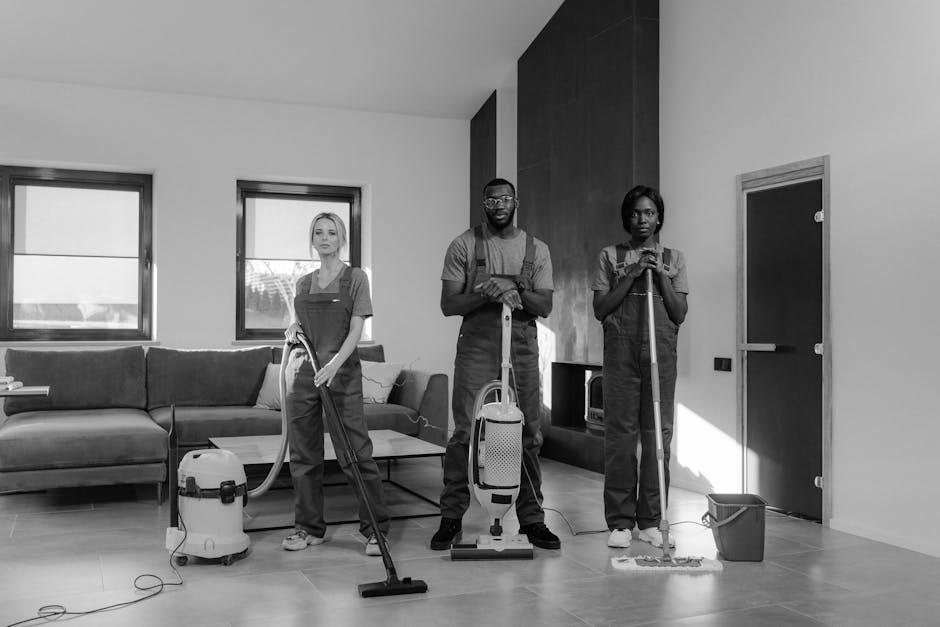
Licensed and insured cleaners what it means for your home
If you are inviting someone into your home with buckets, chemicals, vacuums and a fair bit of trust, it makes sense to ask a basic question: what do licensed and insured cleaners actually mean for your home? It is not just industry jargon. It can affect your risk, your peace of mind, and even how smoothly a job goes when something unexpected happens. In plain English, licensing and insurance are two different forms of protection, and together they tell you a lot about the standard of the cleaning company you are dealing with.
This guide breaks it down without the fluff. You will learn what those terms usually mean in practice, why they matter, what to check before booking, and where the real difference shows up in everyday domestic cleaning. We will also look at common mistakes people make, a practical checklist, and the sort of questions worth asking before a cleaner steps through the door.
Why licensed and insured cleaners matter for your home
Let's face it, most people do not think about insurance until a mug gets knocked off a shelf or a stair edge gets scuffed during a clean. That is exactly why this topic matters. When a cleaner is insured, there is usually a financial backstop if accidental damage or injury happens during the job. When a business is licensed, it suggests the company is operating as a recognised business and may be meeting the legal or administrative requirements expected of that type of service.
For a homeowner, the practical value is simple: you are not relying only on trust and a handshake. You are choosing a provider who has taken the administrative side of the job seriously, which often goes hand in hand with better systems, clearer communication and more consistent service. It does not guarantee perfection. Nothing does. But it lowers the chance of messy surprises.
There is also a human side to this. If you have ever had someone clean a hallway and leave damp footprints on a wooden floor, or use the wrong product on a delicate surface, you know how quickly a small mistake can become a costly one. Insurance does not prevent errors, but it helps deal with the consequences. That difference matters in a family home, a rented flat, or a house with pets, children, antiques, or freshly renovated rooms.
Another point that often gets missed: insured cleaners usually tend to be more careful with process. In our experience, companies that talk openly about cover, safety and complaints tend to communicate better all round. They are more likely to explain what is included, what is excluded, and what to expect on the day. That makes the whole experience feel calmer. Less guesswork. Less crossing fingers.
How licensed and insured cleaners work in practice
It helps to separate the two ideas.
Licensing usually means the cleaning business is formally registered or authorised to operate. In the UK cleaning sector, that may mean the company is properly set up, can trade legally, and follows the business rules relevant to its operations. For a home-cleaning customer, this is often less about a visible badge and more about whether the company looks legitimate, traceable and professionally run.
Insurance is the cover that helps protect you and the cleaner if something goes wrong. A reputable domestic cleaning business will usually have public liability insurance, and sometimes employer's liability insurance too if they have staff. Public liability is the one most homeowners care about because it is the cover that may respond if property is accidentally damaged or someone is injured because of the work carried out.
Here is the real-world flow. You request a clean, the company confirms the scope, price and timing, and the cleaner arrives with the right equipment and products. If a shelf is chipped, a mirror is broken, or a spill causes damage, the company's insurance process may come into play. That process is not instant magic, and it can involve evidence, photos and reporting. Still, it is much better than trying to resolve things informally after the fact.
Licensing and insurance do not replace common sense. You still want to know who is coming into your home, what surfaces they will clean, and whether they understand your flooring, upholstery or appliances. But they do give you a better framework. Think of them as the seatbelt and the paperwork. Not glamorous, but useful. Very useful.
Key benefits and practical advantages
There are a few benefits that stand out straight away.
- Better protection for your home: insurance can help if accidental damage happens during cleaning.
- More trust at the doorstep: a licensed, insured business usually feels more accountable.
- Clearer responsibility: if something goes wrong, there is a proper route for resolving it.
- Higher professional standards: companies that maintain insurance and legal standing often have better internal processes.
- Less stress for you: you can focus on the result, not on whether the cleaner is properly covered.
There are also subtle advantages. For example, a company that takes cover seriously is more likely to have risk assessments for tasks such as deep cleaning, oven cleaning or after-builders cleaning. That matters because those jobs often involve sharper tools, stronger products, higher mess levels and more chances for damage if someone rushes. If you have ever seen fine plaster dust settle on every surface in a room, you already know why process matters.
Another practical benefit is confidence around valuables and awkward items. Maybe you have a glass dining table, a polished hard floor, or a sofa that cost more than you care to admit. A careful, insured provider should be more comfortable explaining how they would handle those surfaces. That conversation alone is a good sign.
For anyone comparing options, this is where a professional cleaning company stands apart from an informal arrangement. A cheaper quote from an uninsured cleaner may look attractive on paper. Then again, if there is damage or an injury, the cheaper option can become the expensive one very quickly. No one enjoys that maths.
Who this is for and when it makes sense
This is relevant for almost every homeowner, but it is especially important in certain situations.
- Busy families: when cleaning has to fit around children, pets and working from home, you want a provider you can trust.
- Landlords and tenants: end of tenancy cleaning often needs a professional finish and a clear record of service.
- People with high-value interiors: if your home has specialist flooring, upholstery or fitted items, risk management matters more.
- Older properties: Victorian tiles, older woodwork and delicate fixtures need careful handling.
- Post-renovation homes: after builders cleaning creates dust, grit and surface risk that calls for experience and sensible cover.
- Anyone booking specialist work: carpet cleaning, sofa cleaning, window cleaning or oven cleaning can all involve situations where mistakes are costly.
It also makes sense if you simply want peace of mind. Not every clean needs a long checklist and a legal discussion. Sometimes you just want the kitchen sorted and the bathroom to smell fresh again. Fair enough. But even then, knowing the cleaner is insured can remove a lot of low-level anxiety from the experience.
One small note: if you are booking a one-off clean, you may care more about insurance than you would for a regular visit, because the relationship is shorter and the trust is being established quickly. On the other hand, long-term home cleaners build familiarity over time, which is helpful, but should never replace proper cover.
Step-by-step guidance
If you want a sensible way to vet a cleaner, use this process.
- Ask whether the business is properly registered and operating as a genuine company. You are looking for traceability, not vague promises.
- Request proof of insurance. A professional provider should be able to explain what cover they hold in straightforward terms.
- Check what the policy covers. Public liability is the most relevant starting point for homeowners, but details matter.
- Clarify the exact scope of work. A quote for domestic cleaning is not the same as a deep clean, and neither is the same as end of tenancy cleaning.
- Discuss fragile items and problem areas. Mention delicate flooring, stains, marks, pet areas, and anything unusual.
- Ask about products and equipment. This is especially useful for carpets, upholstery and hard floors.
- Confirm what happens if something is damaged. You want a clear route for complaints or claims, not a shrug and a vanished phone number.
If you prefer a more practical example, imagine you are booking a kitchen and bathroom clean before guests arrive on a Friday evening. You mention the marble windowsill, the tiled splashback and a scratched oven door. A good cleaner listens, asks a couple of follow-up questions, and gives you a realistic plan. That is the sort of conversation you want. Short, calm, competent.
You should also keep your own records. A screenshot of the booking, a written quote, and a note of what was agreed can save time later. It sounds slightly dull, I know. But dull is good when it prevents disputes.
Expert tips for better results
There are a few things that make a big difference, and they are rarely glamorous.
Start with the surface type, not the stain. People often describe the problem first, which is fair, but the cleaner really needs to know what they are working on. Carpet, laminate, natural stone, upholstered fabric and enamel all behave differently. If you tell the cleaner the story behind the mark and the surface it sits on, they can choose the right approach.
Be honest about the condition. If the room is heavily used or has not been cleaned in a while, say so. A company offering deep cleaning or one-off cleaning will usually price and plan differently if they know what they are walking into.
Use the booking as a mini interview. You do not need to be stiff about it, but ask sensible questions. What insurance do you hold? What is included? Do you bring your own materials? How do you handle delicate furniture? A genuine professional will not mind. If they do mind, that tells you something too.
Keep the job walk-through simple. When the cleaner arrives, point out the priority areas and any no-go items. Five minutes of clarity can save an hour of confusion later. Truth be told, most cleaning hiccups start with assumptions.
Think beyond the obvious room. If you are booking a service such as oven cleaning, carpet cleaning or window cleaning, ask how nearby surfaces will be protected. Drips happen. Dust spreads. It is just how homes work.
Common mistakes to avoid
People make a few predictable mistakes here, and none of them are unusual.
- Choosing only on price. The cheapest quote is not always the best value if it comes with poor cover or vague terms.
- Assuming insurance is automatic. It is not. Ask for confirmation.
- Not checking the service scope. A quote for a standard clean may not include appliances, internal windows or specialist treatment.
- Ignoring exclusions. Some policies will not cover pre-existing damage, unsecured items or certain high-risk materials.
- Skipping written confirmation. A quick message summarising what was agreed can prevent arguments later.
- Forgetting to mention fragile surfaces. That expensive console table will not protect itself.
Another common mistake is treating all cleaning tasks as equal. They are not. A quick bathroom tidy is one thing. An after-builders clean with dust in sockets and grit under skirting is another. Likewise, a simple home clean is different from upholstery work where fabric type and moisture control really matter. That distinction is where experience shows.
And yes, sometimes people feel awkward asking questions because they do not want to seem difficult. You are paying for a service in your home. Asking sensible questions is not difficult. It is normal. Completely normal.
Tools, resources and recommendations
You do not need specialist equipment to choose a better cleaner, but a few simple tools help.
- A written checklist: note the rooms, surfaces and extras you want cleaned.
- Photo notes: useful for stains, existing marks or delicate items before the clean starts.
- Booking confirmation: keep the agreed date, time, price and scope in one place.
- Insurance confirmation: ask the company to explain cover in a plain, non-jargony way.
- Access notes: mention parking, entry codes, pets, alarms and parking restrictions if relevant.
If you want to understand how a provider thinks about risk and responsibility, pages such as insurance and safety, health and safety policy, and terms and conditions can be useful reading. They often show how a business handles claims, conduct and expectations, even before you book.
For day-to-day household planning, it can also help to look at the broader range of services a company offers, such as domestic cleaning, house cleaning, home cleaners and cleaners. The breadth of services is not proof of quality by itself, but it can indicate a more established operation.
Law, compliance, standards and best practice
In the UK, homeowners are not usually expected to audit a cleaner like a compliance officer would. Still, there are sensible norms worth knowing. A legitimate cleaning business should be able to operate lawfully, communicate clearly, and carry suitable insurance for the work it performs. If staff are employed, employer's liability cover is often relevant. If the business visits homes, public liability cover is the one you will hear about most often.
It is also best practice for a cleaning company to have straightforward policies on safety, complaints, privacy and payment. Those may not sound exciting, but they are part of what separates a tidy business from a risky one. If you have ever tried to resolve a problem with a company that has no proper process, you will know how quickly things become frustrating. Nobody needs that extra headache.
UK best practice also means being careful with chemicals, following manufacturer instructions where applicable, and respecting household surfaces and fixtures. For more demanding jobs, such as after builders cleaning, the risk of dust inhalation, scratch marks and surface contamination is higher, so planning matters more than ever.
A useful rule of thumb: if a cleaner cannot explain their insurance, cannot describe their process, and cannot give a proper written quote, treat that as a warning sign. Not a drama, just a warning sign.
Options, methods, and comparison table
Here is a simple comparison that helps homeowners decide what level of service or assurance they need.
| Option | Best for | Main advantage | Watch out for |
|---|---|---|---|
| Independent cleaner without clear documentation | Very light, informal cleaning | Often flexible and quick to arrange | Less clarity on insurance, responsibility and complaints |
| Established cleaning company with insurance | Most homes, especially busy or high-value properties | Better accountability and clearer cover | May cost more than the very cheapest option |
| Specialist service such as carpet, oven, or upholstery cleaning | Problem areas and deep cleaning tasks | More suitable tools and methods | Needs clearer discussion of surfaces and exclusions |
If you are unsure where your job sits, think about risk. The more delicate the surface, the more valuable the item, or the more likely a mistake could cause damage, the more important licensing, insurance and process become. Simple enough, really.
Case study or real-world example
A homeowner in a typical London terrace booked a one-off clean after redecorating a spare room. There was fine dust on shelves, paint splashes near the skirting, and a wool rug rolled up in the corner. The owner had originally planned to choose the cheapest option they could find. Then they remembered the rug was a family keepsake and the newly painted wall still felt a bit soft. Sensible pause.
Instead, they chose a cleaner who could explain their insurance, outline the cleaning process and confirm that they had experience with delicate items. The cleaner arrived, checked the room first, asked about the rug, and recommended that it be cleaned separately rather than tackled in haste. Nothing dramatic happened, which is the point. The room was finished properly, the rug was protected, and the owner did not spend the evening worrying about hidden damage.
That is what licensed and insured cleaners what it means for your home looks like in real life. Not a grand promise. Just fewer chances for avoidable problems, and a lot more calm.
Practical checklist
Before you book, run through this quick checklist.
- Have I checked that the company is legitimate and contactable?
- Has insurance been confirmed in plain language?
- Do I know what the quote includes and excludes?
- Have I mentioned fragile surfaces, valuables or access issues?
- Is the service type correct for the job I need?
- Do I have the booking details in writing?
- Have I read the relevant policy pages if I want extra reassurance?
- Do I understand how complaints or damage claims would be handled?
If you can tick those off, you are already ahead of most people. And honestly, that is usually enough to make the whole experience smoother from start to finish.
Conclusion
Licensed and insured cleaners what it means for your home is really about reducing uncertainty. It means you are dealing with a cleaner or cleaning company that is more likely to be traceable, more accountable if something goes wrong, and better prepared to protect your property while they work. That matters whether you are booking a regular domestic clean, a specialist carpet service, or a full post-renovation tidy-up.
The main takeaway is simple: do not choose on price alone. Ask the practical questions, check the cover, and make sure the scope fits the job. A little care at the start can save a lot of hassle later. And let's be fair, a cleaner, safer arrangement is usually the more relaxing one anyway.
Get a free quote today and see how much you can save.
Frequently Asked Questions
What does it mean when a cleaner is licensed and insured?
It usually means the cleaning business is operating as a proper company and has insurance in place to help cover accidental damage or injury during the job. For homeowners, that adds a layer of protection and accountability.
Is insurance the same as a guarantee?
No. Insurance does not guarantee that nothing will go wrong. It means there is a formal way to deal with certain incidents if they happen. That distinction matters.
Why should I care if a home cleaner is insured?
Because your home, belongings and surfaces can be affected by mistakes, spills or accidents. Insurance can help reduce the financial impact if something unexpected occurs during the clean.
Do all cleaners have public liability insurance?
No, not always. You should ask directly rather than assume. A reputable cleaning company should be able to explain what cover it holds.
What is the difference between a cleaner and a cleaning company?
A cleaner may be an individual working independently, while a cleaning company usually operates with broader business systems, policies, and often more formal insurance arrangements. The exact setup varies, so always check.
Does licensed and insured mean better quality cleaning?
Not automatically, but it is often a sign of a more professional operation. Insurance and proper business status do not replace skill, yet they usually sit alongside better systems and clearer communication.
Should I ask to see proof of insurance?
Yes, it is reasonable to ask. You do not need to be awkward about it. A professional provider should expect the question and answer it clearly.
Is this especially important for carpet or upholstery cleaning?
Yes, because those services can involve moisture, chemicals and delicate materials. For services like carpet cleaning, sofa cleaning and upholstery cleaning, the risk of damage is higher if the wrong method is used.
What should I do if something gets damaged during a clean?
Document it straight away with photos, keep your booking details, and contact the company promptly. If the business is insured, there should be a process for handling the issue.
Are one-off cleans more risky than regular visits?
They can be, simply because there may be less familiarity between you and the cleaner. That makes clear communication, written terms and insurance even more useful.
What other pages should I look at before booking?
Useful places to read are the company's pricing and quotes, insurance and safety, health and safety policy, and terms and conditions. They tell you a lot about how the business operates.
Can I still book if the cleaner is not licensed?
You can, but it is generally a riskier choice. If you cannot verify business status or insurance, you are taking on more responsibility yourself. For many homes, that is not worth the saving.
How do I know if a cleaner is right for my home?
Look for clear answers, proper cover, a realistic quote, and a willingness to discuss your home's specific needs. If the conversation feels rushed or vague, trust your instincts and keep looking.
Choosing well is not about overthinking every detail. It is about picking the person who treats your home with the same care you would want for your own. That part, thankfully, is still very human.